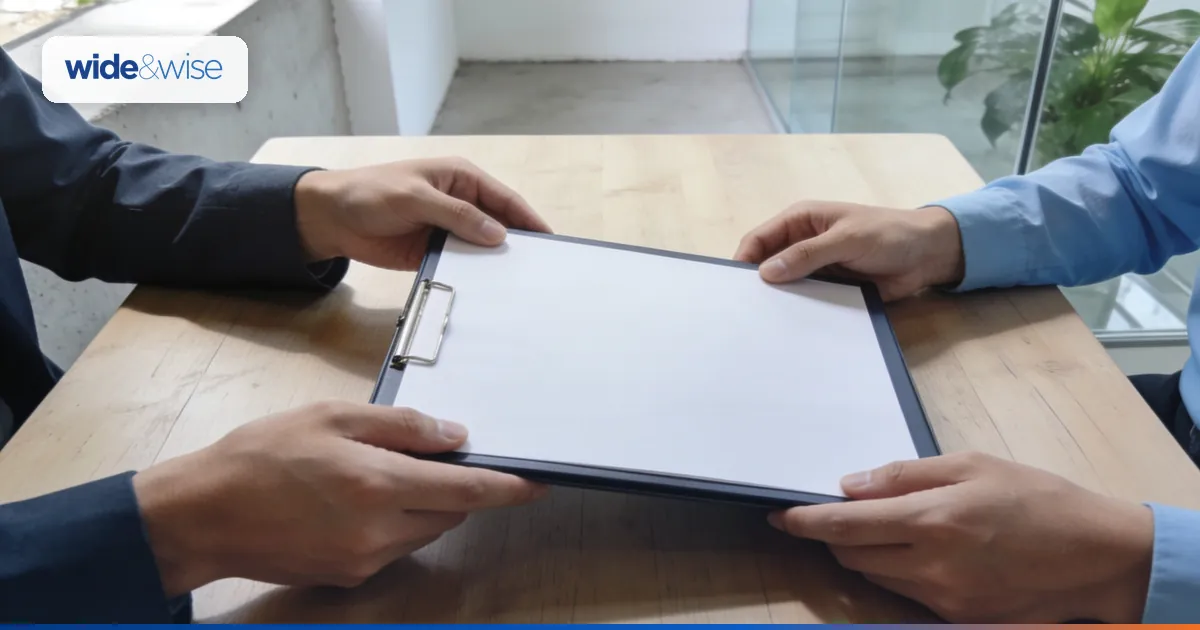

A German hiring manager sits across from a talented Italian engineering candidate. The interview starts well, but the manager grows impatient. The candidate spends ten minutes discussing previous team dynamics, work relationships, and project context before answering a direct technical question. The manager's feedback later: "Lacks clarity. Too much background, not enough substance."
The candidate was rejected. Not for lack of skills, but for cultural communication style. The Italian approach is relationship-first, context-before-content. The German expectation is answer-first, efficiency-focused. Neither is wrong. Both are valid cultural norms. But the mismatch cost the company a strong hire and the candidate an opportunity.
This scenario plays out across EMEA daily. Companies expanding across borders face a hidden complexity that technical competencies cannot solve. Cultural misalignment in hiring leads to 20% lower retention rates, failed placements that cost 2-3x annual salary, and teams where friction is constant but rarely named.
Wide and Wise operates across three EMEA offices in Istanbul, Milan, and Tallinn with direct corridor expertise in Turkey-Italy, Turkey-MENA, and Turkey-Nordics placements. We have seen what works and what fails. Every market has its own rules. Knowing them is the difference between a great hire and a costly mistake. This guide shows you how to navigate communication styles, workplace expectations, and cultural fit assessment across EMEA markets without perpetuating bias.
Why Cultural Fit Matters in Cross-Border Recruitment
The Cost of Cultural Misalignment in International Hires
The average cost of a failed international hire is 2-3x their annual salary when you account for recruitment costs, relocation expenses, lost productivity, and team disruption. Research shows that international hires without cultural alignment have 20% lower retention rates compared to those who receive cultural onboarding and support.
Cultural friction creates a silent productivity drain. Missed context in meetings, misunderstood feedback, unspoken resentment. A Polish developer joins a Nordic team expecting clear direction. The team expects autonomy. Three months of confusion later, the developer leaves feeling unsupported. The team feels the developer lacked initiative. Both are right from their cultural baseline.
This becomes especially costly in senior hires. An executive mis-hire at the regional director level can derail market entry strategy, damage team morale, and set expansion timelines back by 12-18 months. The stakes are too high to treat cultural fit as a "nice to have."
How Cultural Fit Differs from Cultural Bias
Cultural fit is not the same as "hire people like us." That is affinity bias in disguise. Cultural fit means alignment on communication norms, work style, and collaboration expectations. It is not about sameness. It is about compatibility.
Direct communication style is not inherently better than indirect communication. But mismatched styles create friction. A German manager giving blunt feedback to an Italian team member may intend respect through honesty. The Italian team member may experience it as disrespect through harshness. Neither perception is wrong. The friction is real.
The danger is using "culture fit" to reject candidates who do not match home-country norms. A UK company rejecting a Turkish candidate because "we're not sure they'd fit in" is often code for unconscious bias against different communication styles or non-native English speakers.
The goal is to build diverse teams with shared collaboration frameworks through bias-free recruitment practices. Assess adaptability, not sameness. Can the candidate work across cultural contexts, or only within their home-country norm?
Cultural Dimensions Across EMEA Markets: A Comparison
Understanding regional differences starts with mapping the key cultural dimensions that shape workplace behavior. This table compares communication, hierarchy, time perception, decision-making, feedback, and work-life balance across seven EMEA regions.
Cultural Dimension | Germany | Italy | France | Poland | Nordics | UK | MENA |
|---|---|---|---|---|---|---|---|
Communication Style | Direct, explicit | Indirect, relationship-first | Formal, nuanced | Direct but relationship-aware | Consensus-driven, egalitarian | Polite indirectness | Formal, hierarchical |
Hierarchy / Power Distance | Low (flat orgs) | Medium-high (title-conscious) | High (respect for authority) | Medium (evolving) | Very low (flat) | Medium (subtle hierarchy) | High (clear authority) |
Time Perception | Punctual, deadline-strict | Flexible, relationship > time | Punctual but meeting overruns common | Punctual, schedule-conscious | Very punctual | Punctual with flexibility | Flexible, relationship-focused |
Decision-Making | Consensus-based, thorough | Centralized, top-down | Hierarchical, slow | Centralized but consultative | Collaborative, slow | Consultative with clear owner | Top-down, authority-driven |
Feedback Style | Blunt, improvement-focused | Indirect, relationship-preserving | Formal, carefully worded | Direct with care | Constructive, coaching-style | Polite, sandwiched | Indirect, face-saving |
Work-Life Balance | Strong boundaries | Family-first, flexible | Legal protection, balance | Improving boundaries | Strict boundaries | Reasonable, improving | Varies (expat vs local) |
Communication Styles: Direct vs. Indirect
Direct cultures like Germany, Poland, and the Nordics say what they mean. Feedback is explicit. Silence often signals disagreement or concern. In interviews, direct questions are expected and blunt answers are valued as honesty.
Indirect cultures like Italy, MENA, and France build context first. Feedback is softened to preserve relationships. Silence may mean agreement or deference to authority. In interviews, relationship-building comes before competency evaluation.
The hiring implication is clear. A German candidate's directness may read as "rude" to an Italian interviewer who expects rapport-building first. An Italian candidate's relationship-building approach may read as "unfocused" to a German interviewer who expects immediate technical answers.
Hierarchy and Power Distance
Low power distance cultures like the Nordics and Germany have flat organizational structures. Employees address CEOs by first name. Challenging authority is not only accepted but expected as a sign of engagement.
High power distance cultures like MENA, France, and Italy value titles and seniority. Respect for authority is demonstrated through formality and deference. Challenging a senior leader in a meeting is rare and risky.
The hiring implication affects interview format. A Nordic candidate expects a collaborative, conversational interview where they can ask probing questions. A MENA candidate expects a formal panel with senior leadership present, where questions are respectful and deference is appropriate.
Time Perception and Punctuality
German and Nordic candidates treat punctuality as a sign of respect. Five minutes late is disrespectful. Deadlines are absolute commitments, not flexible targets.
Italian and MENA candidates view relationships as more important than schedules. Flexibility is expected. A meeting that runs long because the conversation is valuable is not a problem. It is a success. Understanding these differences is essential for effective remote hiring strategies across EMEA markets.
The hiring implication impacts interview logistics. A late interview start may signal disorganization and disrespect to a German candidate. To an Italian candidate, it may signal flexibility and a human-centered culture.
Decision-Making Authority
Centralized decision-making is common in Italy, MENA, and France. The boss decides, the team executes. Speed comes from clarity of authority.
Consensus-driven decision-making is the norm in Germany and the Nordics. Team input is expected before decisions are made. The process is slow but buy-in is high.
The hiring implication shapes onboarding expectations. Does the candidate expect autonomy to make decisions, or clear direction from a manager? Misalignment here creates frustration on both sides.
Communication Styles Across EMEA Recruitment
Germany: Direct Feedback and Structured Interviews
German interviews are formal, competency-based, and structured. Questions are direct and designed to test specific skills. "Why did you fail to meet this target?" is not considered rude. It is an expected question that values honest self-assessment.
Feedback to candidates is explicit and immediate. If the answer is insufficient, the interviewer will say so. Silence in a German interview means concern or disagreement, not thoughtful consideration.
Offer negotiation is straightforward and data-driven. German candidates expect market benchmarks, clear role definitions, and no ambiguity in compensation structure.
Adaptation tip: German candidates expect transparency, structure, and explicit feedback timelines. Vague promises or relationship-building small talk without substance will signal unprofessionalism.
Southern Europe: Relationship-Building in Hiring
Italian and Spanish interviews start with rapport-building. Coffee, small talk, and personal background come before technical questions. This is not wasted time. It is the foundation of trust that makes the rest of the interview meaningful.
Questions explore cultural fit, values, and team dynamics as much as technical competencies. Feedback is relationship-preserving and softened. "Perhaps we could explore a different approach" means "that answer was insufficient."
Offer negotiation includes flexibility and room for discussion. The first number is rarely final. Relationship matters more than the initial offer. A rigid "take it or leave it" approach signals disrespect.
Adaptation tip: Italian and Spanish candidates expect human connection first, competency second. A rushed, transactional interview signals lack of respect for the person behind the CV.
Nordics: Consensus and Egalitarian Communication
Nordic interviews are conversational, not interrogation-style. Multiple stakeholders are often involved because decision-making is collaborative. The CEO may join the interview, but the tone remains casual and first-name basis.
Feedback is coaching-focused rather than evaluative. "What do you think worked well? Where could we improve together?" is more common than "Here is what you did wrong." Silence in a Nordic interview means reflection, not disagreement.
Offer decisions take longer because consensus is required. But once the decision is made, the team is fully aligned.
Adaptation tip: Nordic candidates expect signals of collaborative, egalitarian culture. An autocratic interview style where the hiring manager dominates the conversation is a red flag.
MENA: Formal Hierarchy and Respect Protocols
MENA interviews are formal with clear seniority present. A junior candidate will not challenge a senior interviewer's assumptions. Doing so would be seen as disrespectful, not intellectually curious.
Questions respect hierarchy. Feedback is indirect to preserve face. "This is a good foundation, let's discuss some enhancements" means "this needs significant work."
Offer negotiation respects authority. The senior leader makes the final decision. Compensation packages for expats include more than salary, including housing allowances, schooling support, and annual flight tickets home.
Adaptation tip: MENA candidates expect formality, respect for titles, and clear authority structures. An overly casual interview signals lack of professionalism and organizational immaturity.
Workplace Norms Across EMEA: What to Expect
Feedback Delivery Styles by Region
Region | Feedback Style | Example |
|---|---|---|
Germany | Direct, improvement-focused | "This presentation lacked structure. Reorganize with clear headers." |
Italy | Indirect, relationship-preserving | "Great effort! Perhaps we could explore a different structure next time?" |
France | Formal, carefully worded | "While the content is solid, the format could benefit from refinement." |
Poland | Direct with care | "Good work. I'd suggest tightening the introduction." |
Nordics | Constructive, coaching-style | "What do you think worked well? Where could we improve together?" |
UK | Polite, sandwiched | "Nice start. The middle section needs work. Strong conclusion." |
MENA | Indirect, face-saving | "This is a good foundation. Let's discuss some enhancements." |
Work-Life Balance Expectations
Germany and the Nordics enforce strict work-life boundaries. No emails after 6pm. Vacation is sacred and legally protected. A manager who calls during vacation will damage trust permanently.
France has legal protections including the 35-hour work week and the right to disconnect. Work-life balance is not a perk. It is the law.
Italy and Spain are family-first cultures. Long lunches and flexible hours are common, but late-evening availability may also be expected. The balance is flexible, not rigid.
Poland is evolving. Younger generations value work-life boundaries more than older generations who experienced post-communist workplace norms.
The UK maintains reasonable boundaries but "always-on" culture persists in finance, consulting, and law. Expectations vary by sector.
MENA varies significantly between expat and local employees. Ramadan impacts schedules. Weekend structure varies by country (Friday-Saturday in UAE and Saudi Arabia, Saturday-Sunday in others).
Onboarding implication: Clarify after-hours expectations upfront. A German hire will not check Slack at 9pm. An Italian hire may expect flexibility to leave early for family and work later in the evening.
Formality and Dress Code Norms
High formality is the norm in MENA (especially UAE and Saudi Arabia) and France. Business formal is standard. Casual dress signals lack of professionalism.
Medium formality applies in Italy (style-conscious but not always suit-required), the UK, and Poland. Smart casual is often acceptable depending on industry.
Low formality is common in the Nordics and Germany in tech sectors. Jeans are normal. Function matters more than fashion.
First-day signal: A MENA hire arriving in casual clothes will experience culture shock. A Nordic hire arriving in a full suit may feel they overestimated the formality and question cultural fit.
Adapting Your Hiring Process to Cultural Context
Interview Styles: When to Standardize vs. Localize
Standardize what ensures quality and compliance. Your competency framework (what skills you assess), evaluation criteria (how you score candidates), and legal compliance (GDPR, equal opportunity) should be consistent across markets.
Localize what ensures candidate experience and cultural respect. Interview format (formal panel vs conversational), question phrasing (direct vs indirect), relationship-building time (duration of small talk), and decision timeline communication (fast vs consensus-driven) should adapt to local norms.
Example: Hiring software engineers across Germany, Italy, and MENA.
- Same: Technical assessment (coding test, system design problem).
- Different: Interview style. German interviews are direct technical grilling. Italian interviews include rapport-building and team dynamics discussion. MENA interviews are formal panels with senior leadership present.
Assessment Methods Across Cultural Contexts
Technical tests are universal, but time pressure expectations vary. German candidates expect tight deadlines and precise instructions. Italian candidates expect some flexibility and room for clarification questions.
Case studies work globally, but presentation style differs. Nordic candidates expect collaborative discussion. MENA candidates expect a formal pitch to authority figures who will make the final judgment.
Behavioral interviews using the STAR format (Situation, Task, Action, Result) work across cultures, but "tell me about a time you failed" questions require cultural framing. German candidates expect honest self-critique. MENA candidates may perceive the question as face-threatening and give vague answers to preserve dignity.
Reference checks face legal restrictions that vary by country. Germany has strict data privacy laws and formal written references (Arbeitszeugnis) with coded language. The UK allows informal phone-based references but hiring managers are cautious due to legal liability. Italy relies on relationship-driven personal references more than formal HR verification. MENA markets are informal and trust-based. The hiring manager often knows someone who knows the candidate.
Offer Negotiation and Reference Checking by Market
Offer negotiation in Germany is data-driven. Candidates expect market benchmarks and transparent salary bands. Counter-offers are rational discussions, not personal negotiations.
In Italy, negotiation is expected. The first offer is rarely final. Flexibility signals respect. A rigid "take it or leave it" approach damages the relationship before the candidate even starts.
Nordic markets are transparent and consensus-based. Offers are approved by committee. There is limited flexibility, but the process is fair and the candidate understands why.
MENA markets are authority-driven. The senior leader makes the final compensation decision. Expat packages include housing, schooling for children, annual flights home, and end-of-service gratuity. Salary is only one component.
Decision framework: Standardize what ensures quality and compliance. Localize what ensures candidate experience and cultural respect.
Assessing Communication Style Fit Without Cultural Bias
Questions to Ask During Interviews
Instead of judging "culture fit" subjectively, assess collaboration style explicitly with structured questions.
Question | What It Reveals |
|---|---|
"How do you prefer to receive feedback from your manager?" | Direct vs indirect preference, coaching vs evaluative expectation |
"Describe a time you disagreed with a decision. How did you handle it?" | Comfort with challenging authority, conflict resolution style |
"Walk me through your ideal first 30 days in a new role." | Need for structure vs autonomy, relationship-building vs task focus |
"How do you know a project is successful?" | Data-driven vs relationship-driven success metrics |
"What does work-life balance look like for you?" | Boundary expectations, after-hours availability norms |
Behaviors to Observe in Candidates
Eye contact norms vary. Direct eye contact is expected in Germany and the Nordics. Modest eye contact is respectful in MENA and some Asian cultures. Judging "confidence" by eye contact alone is cultural bias.
Small talk comfort reveals relationship-building preference. Relationship-builders engage naturally in pre-interview conversation. Task-focused candidates get to business quickly. Neither is wrong.
Question style reflects cultural norms. Direct cultures ask blunt questions without softening language. Indirect cultures frame questions carefully to avoid offense.
Response to silence varies. Nordic and German candidates are comfortable with reflective pauses. Italian candidates expect conversational flow and may fill silence to maintain rapport.
Distinguishing Cultural Patterns from Personality
The bias trap: "This candidate is too quiet" might mean two different things.
- Cultural norm: A MENA candidate respects seniority and waits to be invited to speak.
- Personality: An introverted candidate needs processing time before responding.
The solution is to calibrate your baseline by region. A "quiet" German candidate is different from a "quiet" Italian candidate. What feels normal in one culture may signal disengagement in another.
Red flag vs cultural difference:
- Red flag: Candidate cannot articulate their communication preference when asked directly.
- Cultural difference: Candidate's communication style differs from your norm, but they can explain their approach and demonstrate adaptability.
The framework: Assess adaptability, not sameness. Can the candidate work across cultural contexts, or only within their home-country norm?
7 Costly Cultural Mistakes in EMEA Cross-Border Hiring
Mistake 1: Mistaking Cultural Communication Style for Lack of Competence
A German hiring manager rejects an Italian senior engineer for "lack of clarity" because the candidate spent ten minutes building rapport and discussing team dynamics before answering a technical question. Italian communication style prioritizes relationship first. German expectation prioritizes answer first.
Lesson: Separate communication style from technical ability. Assess skills independently from cultural norms.
Mistake 2: Applying Home-Country Compensation Assumptions
A UK company offers a Polish candidate €45,000, assuming Warsaw has a lower cost of living. The candidate rejects the offer, feeling undervalued. Warsaw tech salaries for in-demand roles have converged with Western European markets. Talent is global, not local-only.
Lesson: Benchmark compensation locally, not based on purchasing power parity assumptions from ten years ago.
Mistake 3: Ignoring Local Workplace Norms in Onboarding
A Nordic company onboards an Italian hire with minimal structure, expecting autonomy and self-direction. The Italian hire feels abandoned and expects more guidance, relationship-building, and structured check-ins during the first weeks. The hire leaves after three months citing poor cultural fit.
Lesson: Onboarding style must match cultural expectations. Autonomy is not a universal "best practice." Some cultures thrive with it. Others interpret it as lack of support.
Mistake 4: Using Standardized Interview Formats Without Cultural Calibration
A hiring team uses a US-style behavioral question: "Tell me about a time you failed." In a MENA interview, the candidate perceives the question as face-threatening and gives a vague, deflecting answer. The interviewer assumes the candidate lacks self-awareness.
Lesson: Frame behavioral questions culturally. In high power-distance cultures, reframe failure questions as "Tell me about a challenge you overcame and what you learned."
Mistake 5: Confusing Directness with Honesty
A French hiring manager perceives a German candidate as "rude" because the candidate challenged the interviewer's technical assumptions directly during the interview. In German culture, intellectual debate signals respect and engagement. In French culture, challenging authority requires careful, diplomatic framing.
Lesson: Directness does not equal rudeness. Calibrate your offense threshold based on the candidate's home culture.
Mistake 6: Over-Indexing on "Cultural Fit" to Reject Diverse Candidates
A UK team rejects a strong Turkish candidate with the explanation "we're not sure they'd fit in." The real reason is unconscious bias against a non-native English speaker with a different communication style. "Culture fit" becomes code for affinity bias.
Lesson: Replace "culture fit" with "collaboration fit" assessed through structured, explicit criteria. If you cannot name the specific collaboration style mismatch, it is bias.
Mistake 7: Assuming English Proficiency Equals Cultural Fluency
A German company hires a Polish engineer with fluent English. The engineer struggles in meetings because the unwritten norm in German teams is that interrupting and direct debate are signs of engagement. In Polish culture, interrupting feels rude. The engineer disengages and eventually leaves.
Lesson: Language proficiency does not equal cultural fluency. Bridge unwritten collaboration norms explicitly during onboarding.
Corridor Expertise in Action: Real Cultural Bridge Examples
Turkey-Italy Corridor: Automotive and Manufacturing Placements
Challenge: Turkish engineers relocating to Italian automotive plants (Fiat, Pirelli supply chain partners) through the Italy-Turkey business corridor face cultural friction. Italian culture prioritizes relationship-building and has long decision cycles. Turkish culture is task-focused with fast execution expectations.
Bridge strategy:
- Pre-placement cultural briefing for Turkish candidates: Expect relationship-building in the first weeks, slower decision-making, and flexible schedules.
- Pre-arrival brief for Italian hiring managers: Turkish candidates are direct communicators and may seem "all business" initially. They value efficiency and clear goals.
- Onboarding mentor pairing: Each Turkish hire is paired with an Italian colleague for cultural translation and informal coaching.
Result: 85% retention after 12 months compared to the industry average of 65% for cross-border placements without cultural support.
Turkey-MENA Corridor: Construction and Energy Hires
Challenge: Turkish construction managers hired for Dubai recruitment and UAE mega-projects navigate high formality, clear hierarchy, and expat vs local dynamics. MENA culture has high power distance. Turkish culture has medium hierarchy and is relationship-driven but task-focused.
Bridge strategy:
- Explicit hierarchy mapping: Clarify who reports to whom, how to escalate issues, and when to involve senior leadership.
- Formality coaching: Business dress expectations, meeting protocols, and Ramadan schedule adjustments.
- Expat community integration: Connect Turkish hires with the existing Turkish expat network in Dubai and Abu Dhabi for social support and practical guidance.
Result: Faster onboarding with 30 days to full productivity compared to 60 days without cultural preparation.
Turkey-Nordics Corridor: Tech and Fintech Talent
Challenge: Turkish developers joining Estonian fintech startups face flat hierarchy, consensus-driven decision-making, and strict work-life boundaries. Nordic culture is egalitarian. Turkish culture has flexible hierarchy, fast decisions, and relationship-first dynamics.
Bridge strategy:
- Egalitarian culture brief: No titles, challenge the CEO openly, and understand that consensus takes time.
- Boundary-setting coaching: No Slack messages after 6pm. Vacation is mandatory. Autonomy is expected, not a lack of support.
- Feedback calibration: Nordic feedback is coaching-style, not evaluative. "Good job" means good job, not polite rejection or lack of interest.
Result: High satisfaction scores of 4.7 out of 5 from both candidates and hiring companies.
Cultural Onboarding Checklist: First 90 Days for EMEA Hires
Pre-Arrival (Week -2 to 0)
Send cultural brief for target market covering workplace norms, communication styles, and local customs.
Assign cultural mentor: a colleague from a similar background or with cross-cultural experience.
Clarify onboarding schedule and first-week expectations.
Share team communication norms: email vs Slack, meeting frequency, after-hours expectations.
Week 1-2: Cultural Foundations
1:1 with manager to align on communication preferences: feedback style, decision-making process, escalation protocols.
Team introduction with explicit norms: how we give feedback, how we run meetings, how we handle conflict.
Local customs orientation: lunch culture, dress code, holiday schedules, local workspace norms.
Cultural misunderstanding escalation process: who to talk to if something feels culturally off.
Week 3-4: Integration Check-In
Cultural integration survey (anonymous): How comfortable do you feel? Are there unwritten rules you are confused by?
Mentor check-in: Surface any cultural friction early before it becomes a turnover risk.
Feedback calibration: Confirm the candidate understands local feedback style (direct vs indirect, public vs private).
Day 30-90: Embedding
Cross-cultural collaboration workshop if hiring multiple international roles.
Manager check-in: Assess cultural integration and technical performance separately.
Retention risk signals: Withdrawing from team activities, avoiding meetings, misunderstanding feedback.
Key metric: A structured onboarding process with cultural integration reduces first-year turnover by 20%. Retention is cheaper than replacement.
FAQ
How do I assess cultural fit without perpetuating bias in international hiring?
Replace subjective "culture fit" with structured "collaboration fit" assessment. Ask explicit questions about communication preferences, feedback style, and work-life expectations. Evaluate adaptability, not sameness. Can the candidate work across cultural contexts, or only in their home-country norm?
What are the biggest cultural differences between hiring in Germany vs. Italy?
Germany: Direct communication, flat hierarchy, strict punctuality, consensus-driven decisions. Italy: Indirect communication, title-conscious, relationship-first, centralized decision-making. Both value competence, but interview styles and workplace norms differ significantly.
Should I standardize my hiring process across EMEA or localize it by country?
Standardize: Competency framework, evaluation criteria, legal compliance. Localize: Interview format, question phrasing, relationship-building time, decision timeline communication. Standardize what ensures quality. Localize what ensures candidate experience.
How can I onboard international hires to reduce cultural friction?
Send pre-arrival cultural brief, assign a cultural mentor, clarify unwritten norms explicitly (feedback style, meeting culture, after-hours expectations), and run 30-day cultural integration check-ins. Cultural onboarding reduces first-year turnover by 20%.
What are common mistakes companies make when hiring across EMEA borders?
Mistaking cultural communication style for lack of competence, applying home-country compensation assumptions, ignoring local workplace norms in onboarding, using standardized interviews without cultural calibration, and over-indexing on "culture fit" to reject diverse candidates.
Key Takeaways
Cultural fit is about collaboration style compatibility, not sameness. Assess adaptability, not affinity.
EMEA markets differ significantly in communication style (direct vs indirect), hierarchy expectations (flat vs top-down), and workplace norms (boundaries vs flexibility).
Standardize your competency framework and evaluation criteria. Localize your interview format, question phrasing, and relationship-building approach.
Common cross-border hiring mistakes: confusing cultural communication style with competence, applying home-country compensation assumptions, and using "culture fit" as code for affinity bias.
Cultural onboarding matters as much as technical onboarding. Clarify unwritten norms, assign cultural mentors, and run 30-day integration check-ins to reduce turnover by 20%.
Corridor expertise accelerates cultural bridge-building. Wide and Wise's Turkey-Italy, Turkey-MENA, and Turkey-Nordics placements demonstrate the value of on-the-ground cultural intelligence.
Conclusion
Cross-border recruitment in EMEA is complex, but cultural differences do not have to be a barrier to great hires. The key is understanding that every market has its own rules: communication norms, workplace expectations, and collaboration styles that shape how candidates show up in interviews and how they perform in teams.
Companies that succeed in EMEA hiring do not guess at cultural fit. They assess it systematically, adapt their hiring process to cultural context, and onboard international hires with cultural intelligence, not just technical training.
Wide and Wise operates across three EMEA offices in Istanbul, Milan, and Tallinn with direct corridor expertise in Turkey-Italy, Turkey-MENA, and Turkey-Nordics placements. We bridge cultural gaps so you can hire with confidence, not guesswork.
Request a free talent mapping for your target market and see how corridor expertise turns cultural complexity into competitive advantage.
Discover More
Go deeper with this guide: Cross-Border Recruitment Guide. Plan multi-market hiring with clearer compliance, communication, and cross-border talent decisions.